⚠️ Before You Buy in Dubai: The Investment Mistakes That Quietly Destroy Returns
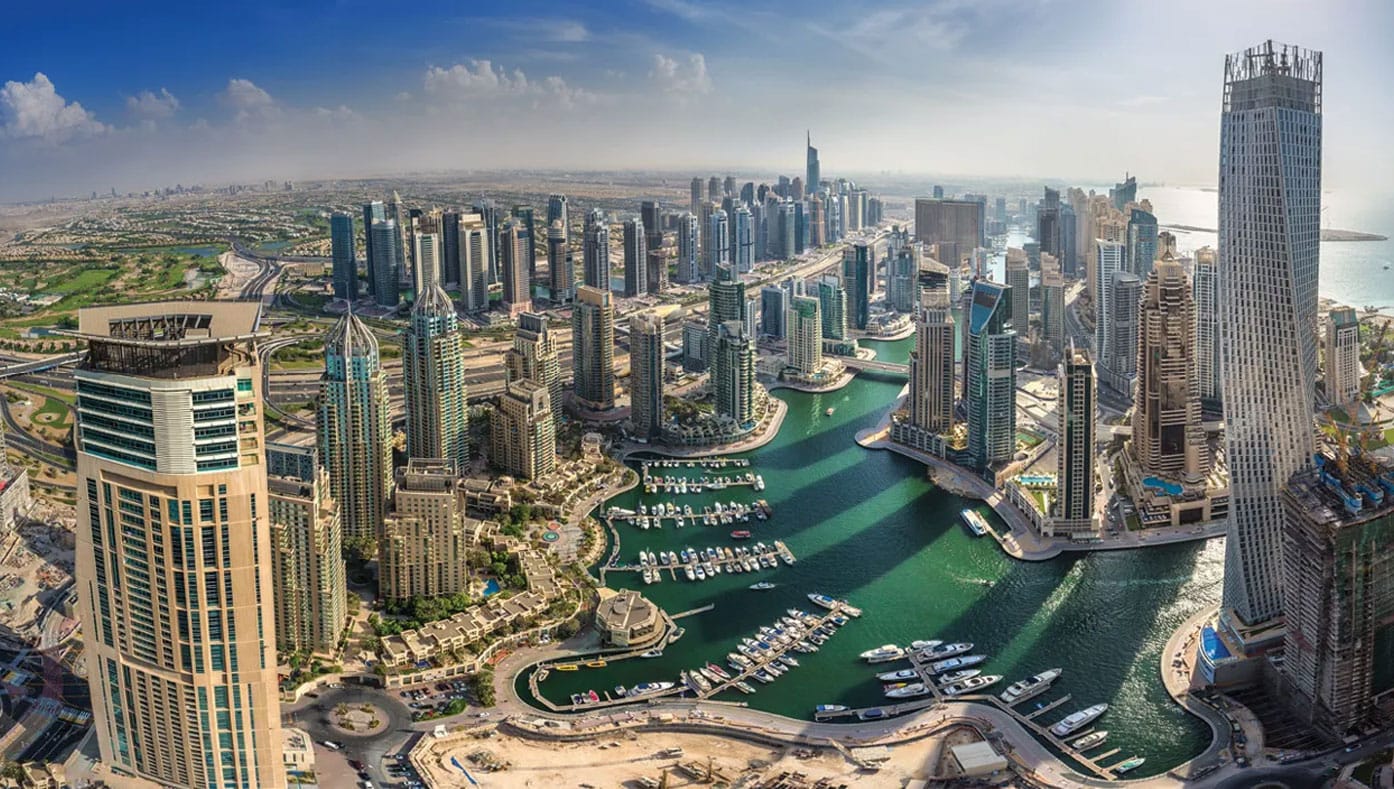
Dubai is one of the most talked-about real estate markets in the world — and for good reason. Strong rental demand, global buyer interest, tax efficiency, and fast-moving transactions have made it a magnet for investors from the UAE, GCC, UK, Europe, USA, Turkey, and beyond.
But here’s the uncomfortable truth that rarely gets discussed openly:
Dubai is not a market where every property is a good investment.
In fact, many investors lose money in Dubai — not because the market is bad, but because they invest at the wrong time, in the wrong place, or for the wrong reasons.
This guide is written for serious buyers and investors who want clarity, not hype. If you’re exploring Dubai real estate investment in 2026, understanding when not to invest can be just as valuable as knowing when to move forward.
And yes — you can make these decisions confidently even if you’re investing remotely, with the right guidance from experienced advisors like Saleem Karsaz and a strong execution partner such as Aeon & Trisl.
Why “When NOT to Invest” Matters More Than Ever in 2026
In earlier years, Dubai rewarded speed. In 2026, Dubai rewards discipline.
The market has matured. Data is widely available. Buyers are more informed. Developers are launching at a faster pace. That means the margin for error has narrowed.
Today’s smartest investors are asking:
✔ Does this investment still work if the market slows?
✔ Is the rental demand real or artificially inflated?
✔ Am I buying value — or just good marketing?
✔ What’s my exit plan if I need liquidity?
If you want context on where the market is heading overall, it’s worth reading the Real Estate Market Forecast 2026. This article complements that forecast by focusing on investor risk awareness.
- When You’re Buying Purely Based on Hype, Not Fundamentals
One of the biggest reasons investors struggle in Dubai is simple: they buy excitement, not economics.
Flashy launches, influencer videos, and aggressive sales tactics can create urgency — but urgency is not a strategy.
You should pause your investment if:
- You can’t clearly explain who will rent the property and why.
- The price feels high, but you’re told “it will only go up.”
- The return calculations ignore service charges, vacancy, or furnishing costs.
- You’re pressured to “reserve now or lose the unit.”
A healthy Dubai investment should still make sense when you remove the marketing layer. If you want a professional framework for evaluating opportunities, use how to analyze real estate markets.
- When the Community Selection Is Weak or Unproven
In Dubai, the community is the investment. The unit is secondary.
You should be cautious if:
- The area has limited infrastructure or poor connectivity.
- There’s no clear tenant profile.
- Too many similar units are being delivered at the same time.
- Demand is based on future promises rather than current activity.
Smart investors focus on areas with proven demand and liquidity. Communities like Jumeirah Village Circle (JVC), Dubai Marina, Business Bay, and Dubai Hills Estate consistently attract both tenants and buyers.
For a broader perspective, review top investment hotspots in Dubai.
- When Rental Numbers Don’t Hold Up After Real Costs
High advertised yields can be misleading.
You should step back if:
- The projected yield doesn’t account for service charges.
- Furnishing, maintenance, or management costs are ignored.
- Vacancy risk is assumed to be zero.
- Rental demand is seasonal, not consistent.
Dubai can deliver strong returns — but only when you calculate net yield, not headline figures.
To understand true demand patterns, explore Dubai real estate demand insights.
- When You Don’t Understand the Legal or Regulatory Side
Dubai is highly regulated — but that doesn’t mean you should invest blindly.
Avoid investing if:
- You’re unsure about title deed ownership.
- The project lacks proper escrow protection.
- Tenancy rules and landlord obligations are unclear.
- You don’t know how dispute resolution works.
Before committing, every investor should understand the basics outlined in the Real Estate Regulatory Landscape and Dubai real estate legal FAQs.
- When Off-Plan Is Treated as a Shortcut, Not a Strategy
Off-plan property can be powerful — but it’s not for everyone.
You should pause if:
- You need immediate rental income.
- You’re uncomfortable with construction timelines.
- The developer’s track record is unclear.
- You don’t understand payment schedules and handover risks.
For many investors, off-plan works best as part of a balanced portfolio. If you’re exploring this route, start with off-plan property in Dubai and how to choose the best off-plan project in Dubai.
- When Financing or Cash Flow Is Not Clearly Planned
An investment that looks good on paper can fall apart if financing isn’t aligned.
You should delay investing if:
- You’re unclear on mortgage eligibility.
- Interest rate changes could strain cash flow.
- You’re relying on optimistic refinancing assumptions.
If financing is part of your plan, reviewing best mortgage lenders in Dubai can prevent costly surprises.
- When You’re Chasing Timing Instead of Structure
Many investors ask: “Is now the right time?”
A better question is: “Is this the right asset for my timeline?”
You should pause if:
- You’re buying just because prices moved recently.
- Your holding period doesn’t match the asset type.
- You haven’t considered resale liquidity.
Understanding cycles and risks is easier when you review real estate market challenges and real estate market disruptors.
- When You Don’t Have a Clear Exit Strategy
Every smart investment starts with the exit in mind.
Avoid investing if:
- You don’t know who the next buyer would be.
- The unit type is too niche.
- Liquidity depends on a “perfect market.”
Properties in established, high-demand communities tend to offer smoother exits — one reason portfolio-minded investors focus on proven areas rather than experimental locations.
To think beyond one-off purchases, study real estate portfolio management.
- When You’re Not Protected Against Scams or Misinformation
Even in regulated markets, misinformation exists.
Pause your investment if:
- Details can’t be verified independently.
- Returns sound unrealistic.
- Documents are rushed or unclear.
Protect yourself by reviewing how to avoid real estate scams in Dubai.
So… When Is the Right Time to Invest?
The right time to invest in Dubai is when:
- The numbers work after all costs.
- The community has real demand.
- The asset matches your timeline.
- You understand the legal framework.
- You have a clear exit strategy.
Dubai still offers exceptional opportunities in 2026 — but only for investors who think strategically, not emotionally.
Final Thought from Saleem Karsaz
The best Dubai investments don’t feel rushed. They feel logical.
If you want to invest with confidence — whether you’re based in the UAE, GCC, UK, Europe, the USA, or elsewhere — start with clarity, data, and experienced guidance.
You can begin your journey through Saleem Karsaz, and execute through a trusted on-ground partner like Aeon & Trisl, one of Dubai’s leading real estate agencies.