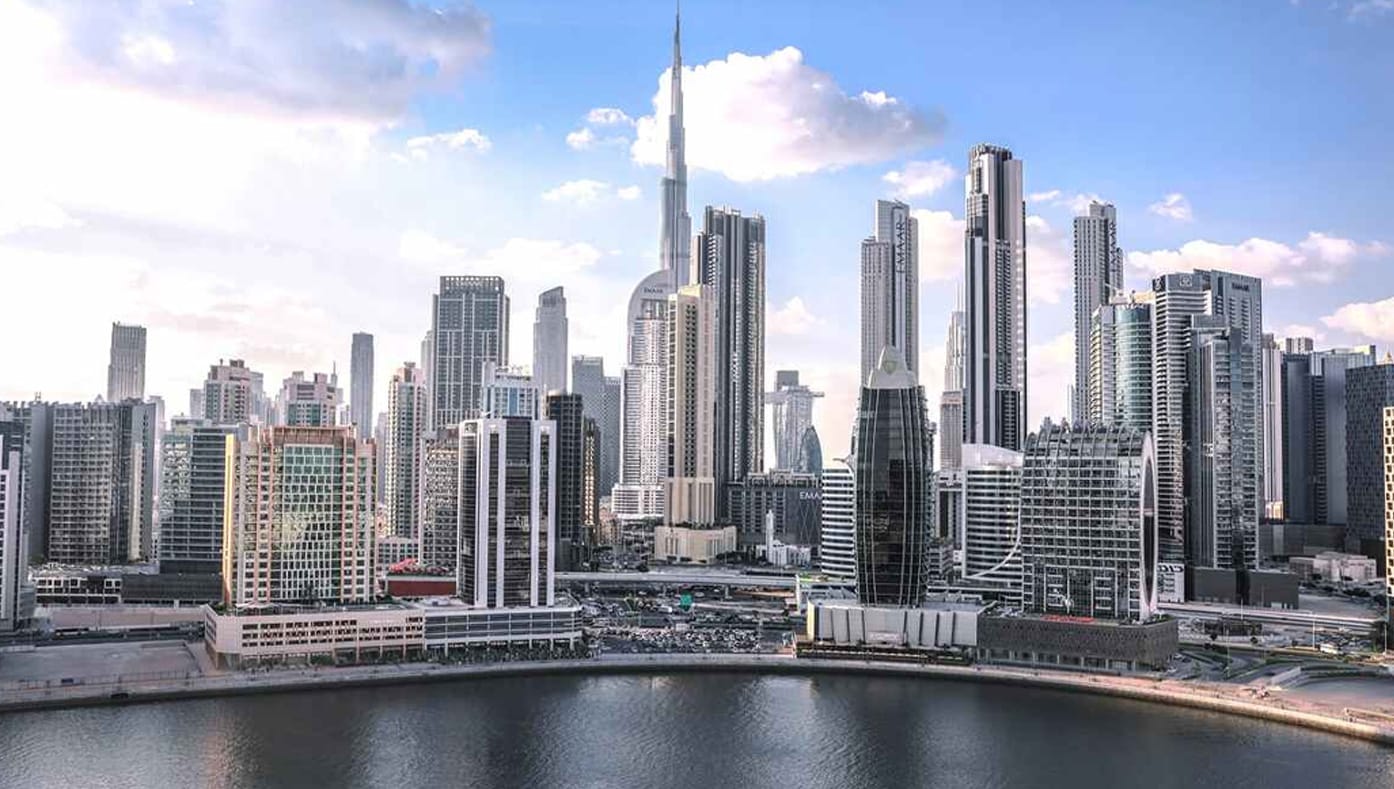
Most buyers look at price first. Serious investors look at risk, resale, rental depth, and deal quality first. That is usually where the real money is made. 🔍
In Dubai real estate, the gap between a smart purchase and an expensive mistake often comes down to one thing:
due diligence. Plenty of buyers still enter the market by focusing only on launch hype, glossy brochures, or promised returns.
But investors who consistently make better decisions tend to slow down, ask sharper questions, and study the deal before they commit.
That matters even more in 2026. Dubai remains one of the world’s most watched property markets, but that does not mean every listing is equally strong.
Some units are built for long-term performance. Others are built to sell quickly to emotional buyers. Knowing the difference is what protects your capital.
If you are still at the beginning of your journey, start with this step-by-step guide to buying property in Dubai, then come back to this article to evaluate the deal itself with more precision.
The truth is simple: Dubai property due diligence is not about being negative. It is about being prepared. It helps you understand whether a property suits your timeline, income goals, financing structure, and exit strategy.
And when you do it properly, you stop buying based on pressure and start buying based on logic.
Why due diligence matters more than ever in Dubai property
Dubai offers extraordinary opportunity, but opportunity is not the same as automatic safety. A buyer can still overpay. A weak unit can still underperform.
A flashy off-plan launch can still look very different when compared against rental depth, service charges, handover timing, and resale demand.
That is exactly why experienced investors pair market optimism with structure.
Before looking at individual deals, many buyers first ask broader questions such as is Dubai real estate safe for foreign investors or whether this is still the best time to buy property in Dubai.
Those are valid starting points. But once you move from market interest to actual deal selection, the conversation has to become more detailed.
This is where real analysis begins.
- Start with the reason you are buying
One of the biggest mistakes buyers make is treating every property like it should solve every goal at once.
It does not work that way. A unit chosen for rental income in Dubai may not be the same one you would choose for end use, short-term flexibility, or long-term capital preservation.
Before reviewing any property, ask yourself:
- Are you buying for monthly income?
- Are you buying for long-term appreciation?
- Do you want a future home, a second residence, or a pure investment?
- Are you planning to hold for 2 years, 5 years, or longer?
Your answer changes everything, including location, budget, financing, and even building type.
Buyers who want to move beyond a one-off purchase should also study how investors build a profitable Dubai property portfolio over time instead of chasing isolated deals.
- Check whether the location has real demand, not just marketing appeal
In Dubai, micro-location matters more than many buyers realize. Two properties with a similar price can behave very differently depending on community maturity,
access, tenant profile, nearby infrastructure, and resale liquidity.
This is why experienced investors do not stop at “good area” language. They ask better questions:
- Who actually wants to live here?
- Is the demand mainly end-user, tenant-driven, or speculative?
- How easy will it be to lease this unit in a slower market?
- Will the same location still attract buyers when I decide to exit?
If you want a wider area-level foundation before narrowing into one deal, review the best areas to live, work, and invest in Dubai. That article helps frame community logic before you get pulled into unit-level sales pressure.
- Compare off-plan vs ready property in Dubai with full honesty
A lot of weak buying decisions happen because buyers choose format before they choose strategy.
Some people automatically assume off-plan is smarter because the entry price feels lower.
Others assume ready property is safer simply because they can see the physical asset.
The better approach is to compare both through your actual priorities.
Ready property may suit buyers who want visible stock, immediate rental potential, or easier resale analysis.
Off-plan may suit investors comfortable with a longer timeline, developer risk, and a more timing-sensitive return profile.
But neither is automatically better without context.
For a deeper breakdown, read off-plan vs ready property in Dubai before signing anything. It is one of the most important internal comparisons a serious buyer should make.
- Study the real numbers, not the headline pitch
Every property can be made to look attractive in a sales conversation. The only way to know whether a deal really works is to stress-test the numbers.
That means reviewing more than just the price per square foot.
At minimum, buyers should calculate:
- purchase price
- Dubai Land Department fees and transaction costs
- agency fees where applicable
- service charges
- furnishing costs if the asset is rental-led
- expected vacancy periods
- realistic net yield after expenses
If you are still working out your true entry budget, review how much cash you really need to buy property in Dubai.
Too many buyers underestimate the “extras,” then realize later that their return assumptions were built on incomplete math.
Yield-focused investors should also compare the asset against current rental yields in Dubai rather than relying on promotional projections. A deal that looks exciting on a brochure can feel very different once all costs are added back in.
- Verify the developer, building, and long-term maintenance logic
Property is never just a unit. It is also a developer decision, a building management decision, and a long-term quality decision.
Smart investors look closely at execution history, build quality, handover consistency, and whether the building will remain attractive in the resale market later.
This is especially important in markets where buyer sentiment can become too launch-driven.
A polished launch event is not proof of durable investment quality. You want to know whether the project still makes sense after the marketing disappears.
This is one reason why many investors benefit from structured support through property investment advisory and, property strategic consultancy.
Better analysis usually leads to better deal selection.
- Always ask what could go wrong
Good investors are not pessimists. They are simply disciplined enough to review downside scenarios before they buy.
That means asking questions many emotional buyers avoid:
- What if the rental market softens in this building?
- What if service charges rise faster than expected?
- What if resale liquidity weakens in this micro-location?
- What if the developer delays handover?
- What if this unit only sells well in a perfect market?
If a deal only works under perfect conditions, it is not a strong investment.
It is a fragile one. That is also why buyers should read when not to invest in Dubai property.
Sometimes the smartest deal is the one you walk away from.
- Review property value properly before committing
Another overlooked step in Dubai property due diligence is valuation logic.
Buyers often become so focused on getting the deal done that they never pause to ask whether the asking price is truly reasonable compared with similar stock,
current area demand, building condition, or long-term utility.
This is where property valuations become more than just a technical exercise. A proper valuation mindset helps investors separate fair pricing from emotional pricing.
It also helps with negotiation, risk reduction, and future resale planning.
If you want a supporting read around valuation methods, this guide on residential property valuation methods in Dubai adds useful context to the pricing side of the investment process.
- Protect yourself from avoidable mistakes and misinformation
Dubai is a highly visible and increasingly mature property market, but visibility does not eliminate misinformation.
Buyers still get pushed by artificial urgency, exaggerated return language, and half-explained paperwork.
The right response is not panic. It is process.
Every investor should know how to spot weak documentation, unrealistic promises, and rushed decision-making.
This becomes even more important for overseas buyers entering the market remotely.
For a practical protection layer, read how to avoid common real estate scams in Dubai.
- Choose the right advisor, not just the loudest salesperson
One of the strongest shortcuts in real estate is not speed. It is guidance.
A strong advisor helps you compare risk, challenge weak assumptions, understand timing, and avoid buying a property that only looks good on paper.
That is why many serious investors spend more time thinking about representation. If you are still deciding who should guide your purchase, review how to choose the right real estate broker in Dubai.
The right partner should improve your judgment, not pressure your timeline.
Investors who want a broader strategic lens can also explore Saleem Karsaz’s global real estate advisory perspective and the wider real estate services available across investment advisory, consultancy, management, and valuations.
- Think about the exit before the entry
The best investors in Dubai real estate do not buy with only the entry price in mind. They think ahead.
Who will want this asset in three to five years? Will the next buyer be an investor, an end-user, or neither?
Is this unit easy to understand and easy to sell, or does it depend on a very narrow buyer profile?
Exit strategy is not a luxury detail. It is one of the foundations of sound investing.
If resale timing and liquidity matter to you, it also helps to understand how to sell your property fast in Dubai,
because buying and selling should never be treated as separate conversations.
The real takeaway for investors in 2026
A strong property deal in Dubai usually feels clear, not rushed. The numbers make sense. The location has real demand.
The asset fits your timeline. The downside is understandable. The exit is realistic. And the decision still holds up even after the sales pressure is removed.
That is what proper Dubai property due diligence looks like.
It is not fear-based. It is disciplined. And in a market as opportunity-rich as Dubai, discipline is often what separates confident investors from regretful ones.
If you want to move beyond guesswork and evaluate opportunities with more structure, you can get consultancy directly through the Saleem Karsaz platform or explore more about Saleem Karsaz and his advisory-led approach to Dubai property investment.