 📌 From Capital Preservation to Scalable Wealth — How Dubai Is Redefining Global Property Investment Strategy
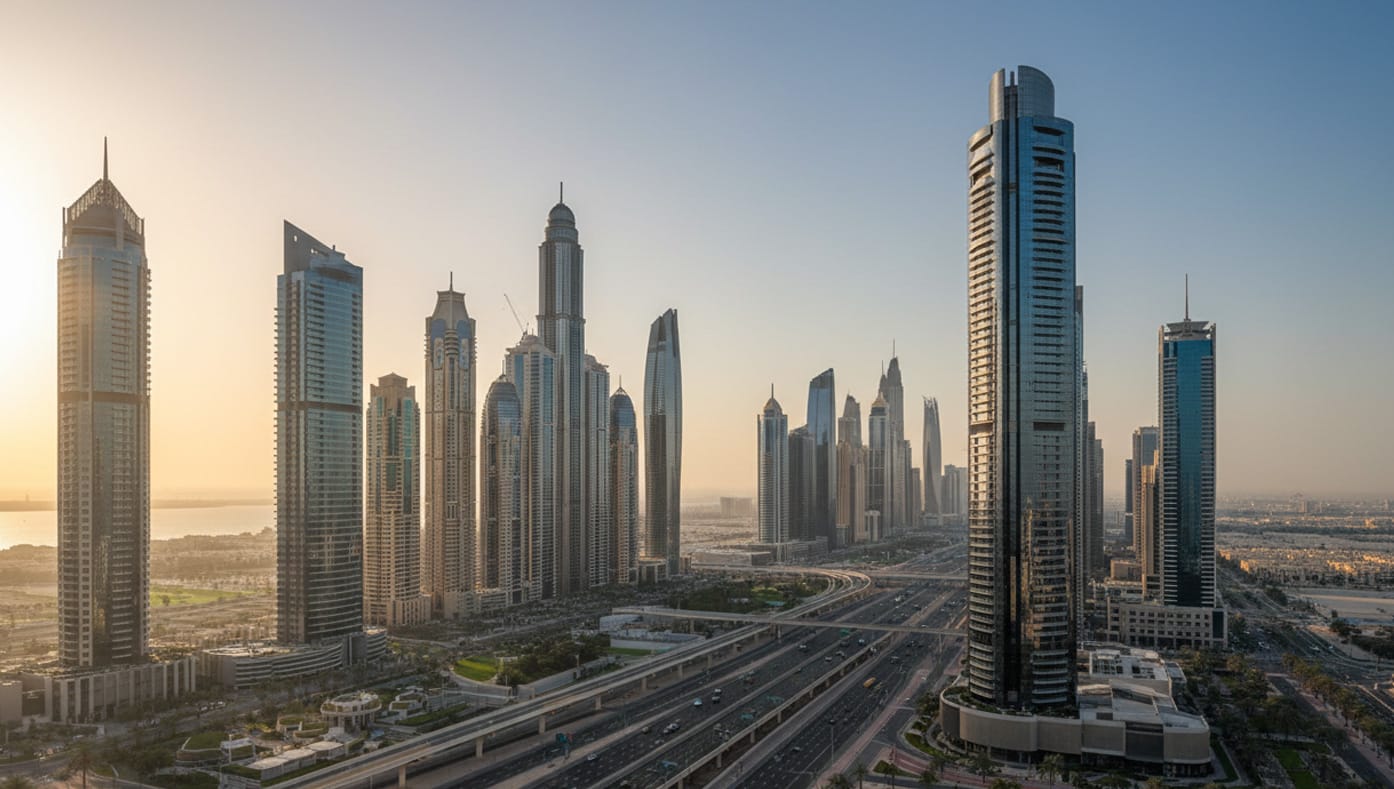 📌 From Capital Preservation to Scalable Wealth — How Dubai Is Redefining Global Property Investment Strategy
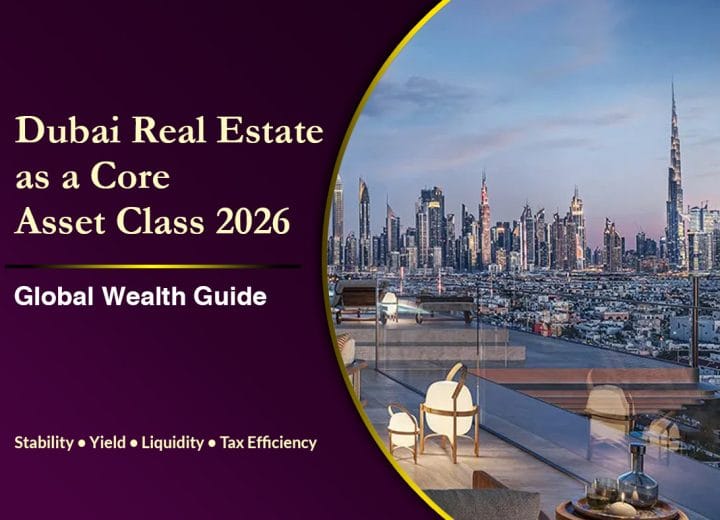
In 2026, global real estate investors are no longer driven by emotion, hype, or legacy assumptions. They are driven by structure, efficiency, and long-term resilience. As traditional property markets in Europe, North America, and parts of Asia become increasingly burdened by taxation, regulatory friction, and declining net yields, capital is moving with precision.
At the center of this global reallocation sits one market that continues to outperform expectations: Dubai real estate.
Search intent around Invest in Dubai, Buy property in Dubai, and Dubai real estate investment has surged not because Dubai is “new,” but because it has matured into one of the world’s most investor-aligned real estate ecosystems. For serious investors — from family offices to internationally mobile entrepreneurs — Dubai now represents clarity in a landscape filled with uncertainty.
This article explores, in depth, why Dubai has emerged as a preferred global destination for property investment in 2026, and why informed investors are increasingly treating it as a core allocation rather than an alternative market.
Global Real Estate in 2026: Why Investors Are Re-Evaluating Traditional Markets
Across many established real estate hubs, investors are facing growing structural challenges:
- Escalating property and land taxes
- Heavy capital gains taxation on exit
- Rental regulations that compress net yields
- Lengthy transaction timelines
- Declining affordability and tenant stress
In cities like London, New York, Paris, Toronto, and Sydney, property values may appear stable on paper, but the real returns after tax, compliance, and maintenance are shrinking. For investors focused on long-term wealth preservation and income generation, this erosion is no longer acceptable.
This global shift has forced investors to ask a more strategic question:
Where can property still function as a clean, income-producing, scalable asset?
Increasingly, the answer is Dubai.
Dubai’s Evolution: From Regional Market to Global Investment Hub
Dubai’s rise is not accidental. Over the past decade, the city has systematically transformed its real estate sector into a globally competitive, institutionally respected market.
Key milestones include:
- Clear freehold ownership rights for international buyers.
- Strong regulatory oversight by the Dubai Land Department (DLD).
- Escrow account systems protecting off-plan investors.
- Digitised title deeds and transaction processes.
- Consistent policy alignment in favor of long-term investment.
Unlike many markets where regulation reacts to crises, Dubai’s framework is proactive. It is designed to attract capital, not restrict it. This evolution is frequently referenced in discussions around shaping Dubai real estate and long-term market positioning.
Tax Efficiency: The Single Biggest Reason Capital Is Moving to Dubai
For sophisticated investors, taxation is not a side issue — it is a defining factor in long-term performance.
Dubai offers a structure that is increasingly rare in global property markets:
- No annual property tax
- No rental income tax
- No capital gains tax
- No inheritance tax on property holdings (subject to structuring)
In practical terms, this means:
- Rental income is fully retained.
- Capital appreciation is not eroded on exit.
- Portfolios can scale without increasing tax drag.
When compared to Western markets where cumulative taxes can consume a significant portion of lifetime returns, Dubai’s advantage becomes structural — not promotional. Investors often analyze this contrast through real estate taxation comparisons before reallocating capital.
Rental Demand Backed by Real Population Growth
Dubai’s rental market is not driven by speculation. It is driven by sustained, organic demand.
Key demand drivers include:
- Global professionals relocating for work and business.
- Entrepreneurs establishing regional headquarters.
- Families attracted by safety, education, and lifestyle quality.
- Long-term visa programs encouraging permanent residency.
This creates a rental environment characterized by:
- High occupancy rates.
- Consistent tenant turnover.
- Competitive rental pricing across multiple segments.
Investors assessing sustainability rely on Dubai real estate demand insights to identify areas where demand is structural rather than cyclical.
Off-Plan and Ready Property: A Market That Supports Strategic Choice
Dubai is one of the few global cities where both off-plan and ready property strategies coexist within a regulated, transparent framework.
Off-Plan Property in Dubai
Off-plan investment appeals to growth-focused investors because it offers:
- Lower entry prices compared to completed units.
- Flexible, staged payment plans.
- Capital appreciation between launch and handover.
Crucially, Dubai’s escrow laws protect buyer funds — a level of security rarely seen in emerging or semi-regulated markets. Investors often study off-plan property Dubai frameworks to manage risk and timing.
Ready Property for Immediate Income
Ready units are favored by income-focused investors due to:
- Immediate rental returns.
- Clear operational costs.
- Proven tenant demand.
This flexibility allows investors to build balanced portfolios — a principle central to real estate portfolio management.
Liquidity and Exit Flexibility: A Critical Global Advantage
Liquidity is often overlooked — until it is needed.
Dubai offers:
- High transaction volumes.
- Strong international buyer participation.
- Efficient resale and transfer processes.
This liquidity enables investors to:
- Exit positions efficiently.
- Rebalance portfolios.
- Respond to global market shifts.
In a world where many markets trap capital for years, Dubai’s liquidity is a strategic advantage.
Remote Ownership Made Practical
Dubai has invested heavily in making property ownership functional for international investors.
Through professional property management services Dubai, owners can:
- Manage properties without being physically present.
- Maintain tenant quality and compliance.
- Receive transparent income reporting.
This transforms Dubai real estate into a true passive investment — not an operational burden.
The Role of Strategic Advisory in a Mature Market
As Dubai’s market has matured, the difference between average and exceptional outcomes has widened.
Top-performing investors rely on:
- Data-driven acquisition strategies.
- Micro-market analysis.
- Clear yield and exit planning.
- Long-term portfolio structuring.
This is why many align with a real estate consultancy firm in Dubai that prioritises strategy over transaction volume. Thought leadership from figures such as Real Estate CEO Dubai continues to shape informed investor decision-making.
Final Perspective: Dubai Is a Strategic Allocation, Not a Speculative Bet
In 2026, Dubai is no longer an “emerging opportunity.” It is a structurally mature, globally relevant real estate market designed for investors who value clarity, efficiency, and long-term control.
For those searching:
Invest in Dubai,
Buy property in Dubai, or
Dubai real estate investment opportunities,
Dubai offers a rare alignment of:
tax efficiency, rental demand, legal transparency, liquidity, and scalability.
Investors who approach Dubai with structure, research, and professional guidance are not just buying property — they are positioning capital for long-term global resilience.
Contact Dubai Property Experts to explore high-quality Dubai real estate opportunities aligned with your long-term investment strategy.