🧠 From One Property to a Scalable Portfolio: How Serious Investors Win in Dubai
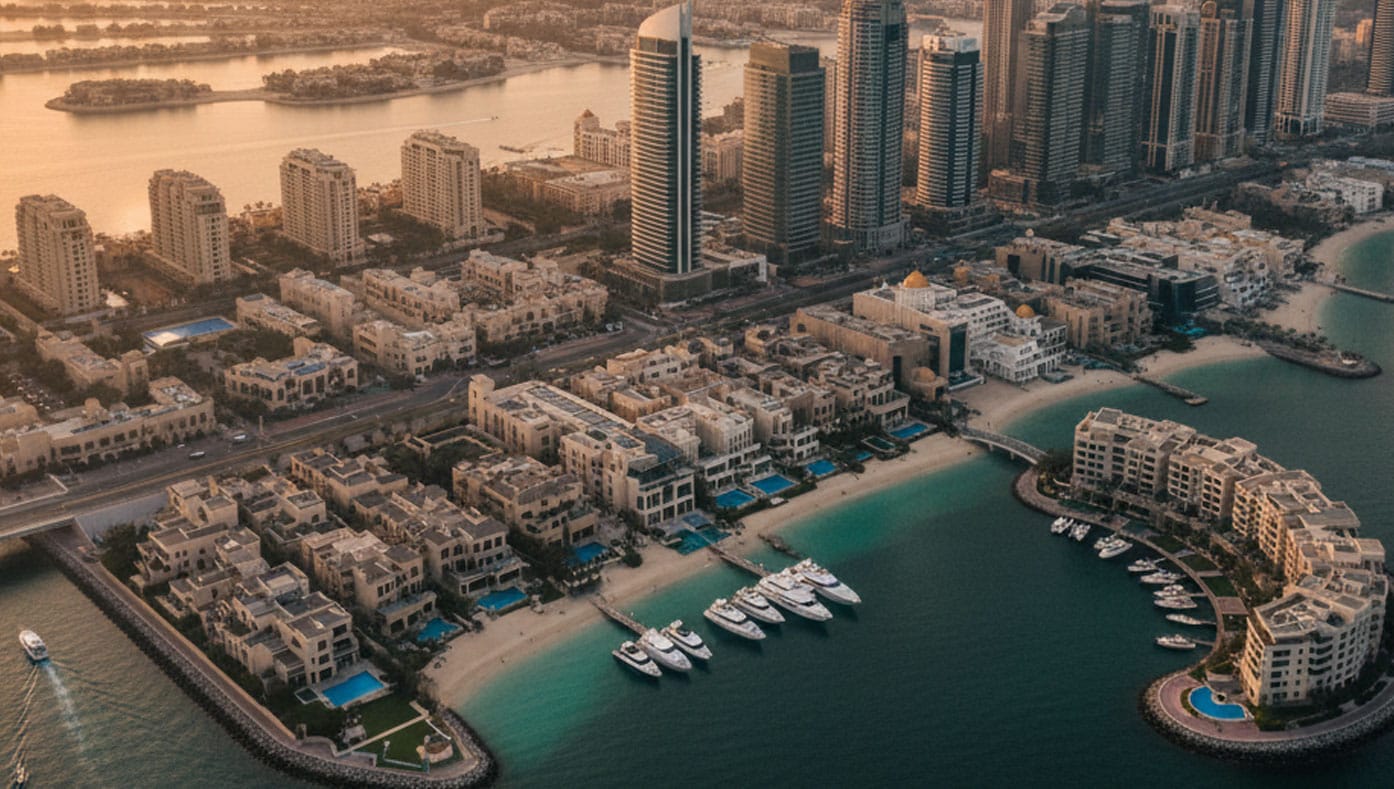
Most people invest in Dubai property once.
Smart investors build a Dubai property portfolio that works for them year after year.
In 2026, the difference between an average investor and a high-performing one is no longer luck or timing — it’s structure, patience, and clarity. Dubai remains one of the world’s most flexible and liquid real estate markets, but only for those who approach it with a long-term, portfolio-first mindset.
This guide is written for:
✔ UAE & GCC investors (Saudi Arabia, Kuwait, Bahrain, Qatar, Oman)
✔ UK, European, Turkish & US buyers
✔ Professionals and business owners seeking scalable wealth
✔ Investors who want income today and growth tomorrow
And most importantly — for those who want to invest in Dubai without guessing, even if they are based outside the UAE.
With guidance from Saleem Karsaz and execution through a trusted platform like Aeon & Trisl, portfolio building in Dubai can be structured, disciplined, and surprisingly efficient.
Why 2026 Is the Right Time to Think in Portfolios (Not Single Deals)
Dubai’s real estate market has matured. Prices are more transparent. Data is widely available. Competition is stronger. That’s good news — but it also means random buying no longer works.
In 2026, smart investors don’t ask:
“Which property should I buy?”
They ask:
✔ How does this property fit into my bigger plan?
✔ Will it balance risk or increase it?
✔ Can it help fund the next purchase?
✔ Does it improve my long-term position in Dubai?
To understand the macro direction shaping these decisions, start with the Dubai real estate market forecast 2026 and then return here for the practical strategy.
The Core Principle: Dubai Is a Portfolio Market
Dubai behaves less like a traditional “buy and hold forever” city and more like a dynamic portfolio market. Different communities play different roles:
- Some deliver stable rental income
• Some protect capital
• Some drive appreciation
• Some help with liquidity and exit
Trying to get all of that from one property is where many investors go wrong.
This is why professional investors spread risk across:
✔ Community types
✔ Property sizes
✔ Price points
✔ Rental profiles
A proper framework is explained in real estate portfolio management, but let’s break it down simply.
Step 1: Start With a Strong “Anchor Property”
Every smart Dubai portfolio starts with one solid, low-drama asset.
This first property should:
✔ Rent easily
✔ Sit in a proven community
✔ Have strong resale liquidity
✔ Require minimal management effort
Communities commonly used as anchor assets include:
Jumeirah Village Circle (JVC), Dubai Marina, Business Bay, and Dubai Hills Estate.
These areas consistently attract tenants and buyers, which matters when you eventually want to refinance, sell, or upgrade.
To understand why demand remains strong in these zones, read Dubai real estate demand insights.
Step 2: Add a Yield-Focused Property to Improve Cash Flow
Once your anchor property is stable, smart investors often add a second asset focused on income.
The goal here is simple:
let the property help pay for itself — or the next one.
Yield-focused properties typically:
✔ Have lower entry prices
✔ Attract long-term tenants
✔ Offer stronger net rental yields
Many investors revisit JVC, selected pockets of Business Bay, or emerging mid-market areas identified in top investment hotspots in Dubai.
At this stage, it’s essential to calculate true returns — not marketing yields. A practical framework is covered in how to analyze real estate markets.
Step 3: Introduce an Off-Plan Asset for Future Growth
Once cash flow is under control, experienced investors often add an off-plan property — not for immediate income, but for capital appreciation and payment flexibility.
Off-plan works best when:
✔ You don’t need rent immediately
✔ You want staged payments
✔ You’re thinking 3–7 years ahead
Dubai’s off-plan market is tightly regulated, but selection matters. Start with off-plan property in Dubai and then narrow choices using how to choose the best off-plan project in Dubai.
This layer of the portfolio often becomes the asset that boosts net worth — not monthly income.
Step 4: Balance Risk Across Communities and Asset Types
A common mistake is owning three properties in the same building or area. That concentrates risk.
Smart portfolios balance:
✔ Urban vs family communities
✔ Ready vs off-plan
✔ High-yield vs capital-growth assets
For example:
• One unit in Dubai Marina for liquidity
• One unit in JVC for yield
• One off-plan unit in a future-facing zone
Understanding how different forces affect prices is easier after reviewing real estate market dynamics 2026.
Step 5: Plan Financing, Not Just Purchases
Financing is not just about affordability — it’s about flexibility.
You should clearly understand:
✔ Loan eligibility
✔ Interest rate impact
✔ Refinance potential
✔ Cash buffer requirements
Many investors avoid surprises by reviewing best mortgage lenders in Dubai early in the process.
Poor financing decisions can undo a good property choice.
Step 6: Think About Exit Before You Buy
Every smart portfolio starts with the exit in mind.
Ask yourself:
✔ Who will buy this from me later?
✔ Is resale demand proven?
✔ Will market cycles affect this asset differently?
Properties in established communities generally offer smoother exits — a point reinforced in how to sell your property fast in Dubai.
Step 7: Make It Truly Hands-Off With Professional Management
Many global investors worry about managing properties from abroad. In Dubai, this doesn’t have to be an issue.
Professional property management services in Dubai handle:
✔ Tenant sourcing
✔ Rent collection
✔ Maintenance
✔ Renewals and compliance
This allows investors to scale portfolios without turning property into a second job.
Common Portfolio Mistakes to Avoid in 2026
You should slow down if:
• You’re buying multiple units without a clear plan
• You rely on one exit scenario
• You ignore service charges and net yield
• You chase trends instead of demand
To avoid beginner traps, revisit top real estate investment mistakes in the UAE and how to avoid real estate scams in Dubai.
Saleem Karsaz’s Perspective: Portfolios Beat Predictions
Markets move. Headlines change. But well-built portfolios stay resilient.
In my experience, investors who focus on balance, demand, and long-term logic outperform those chasing the “next big thing.” Dubai rewards planning — not panic.
If you want to understand the broader leadership mindset behind this approach, explore real estate industry leadership and Founder of Dubai Real Estate.
Final Thoughts: Building Wealth in Dubai Is a Process, Not a Purchase
Dubai still offers rare flexibility for global investors — tax efficiency, liquidity, and scale. But in 2026, the real advantage belongs to those who think in systems, not single deals.
Whether you’re starting with one apartment or planning a multi-asset strategy, a portfolio-first approach gives you options, resilience, and long-term confidence.
You can begin with strategic guidance through Saleem Karsaz and execute with confidence through Aeon & Trisl, a leading real estate agency trusted by local and international investors.