 🌟 Why Netherlands Investors Are Choosing Dubai Property More Than Ever in 2026
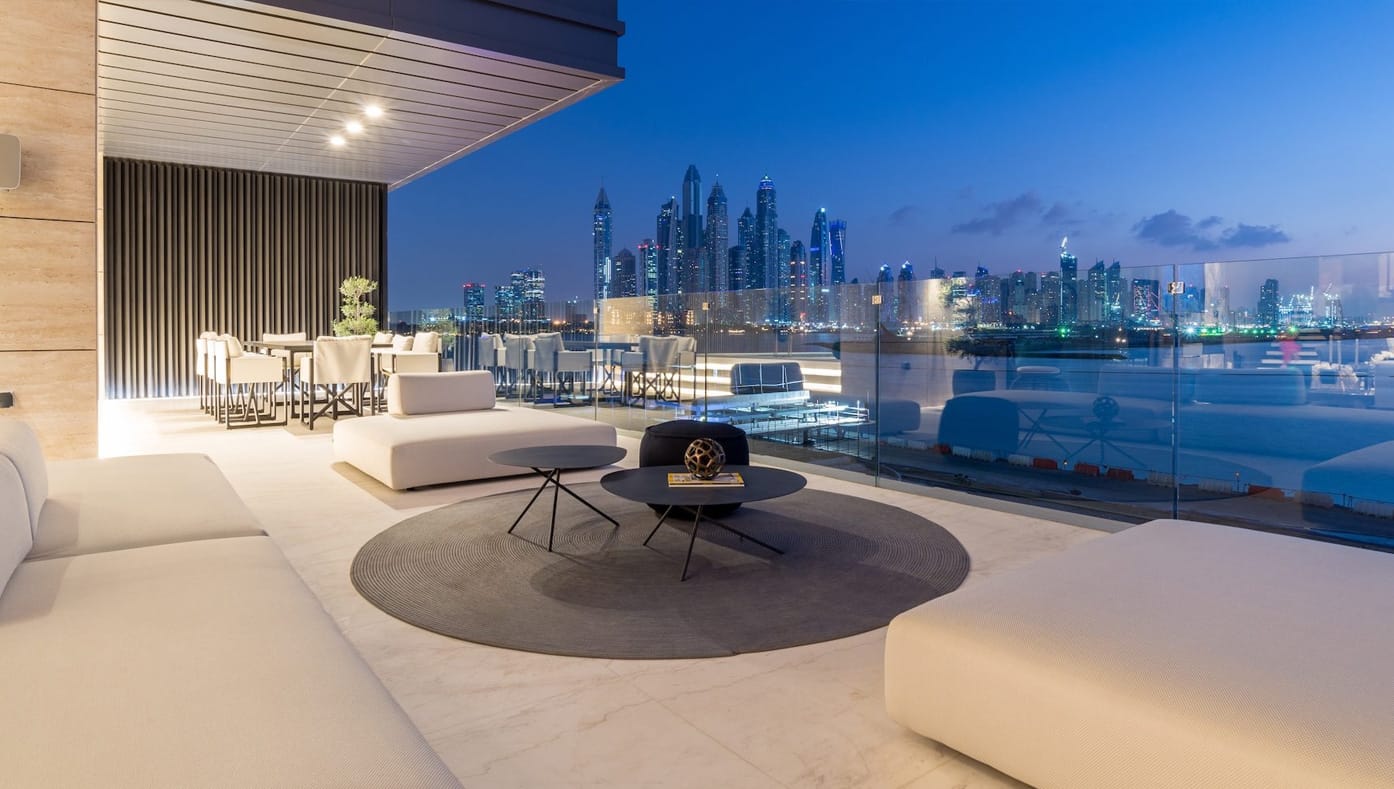 🌟 Why Netherlands Investors Are Choosing Dubai Property More Than Ever in 2026
Dubai: A Transparent, Globally Connected & Investor-Friendly Market Built for Higher Net Returns
For many investors in the Netherlands, Dubai used to feel like an “interesting international option” — impressive, modern, and clearly growing, but not always seen as a core place to allocate serious capital. In 2026, that mindset is changing fast.
Dutch investors are increasingly looking beyond Europe for three reasons that matter in the real world: rising taxation pressure, regulatory complexity, and the desire to hold assets that perform well in a global, inflation-sensitive environment. Dubai stands out because it offers something many mature markets struggle to combine in one place:
✔ Strong rental demand and global tenant diversity
✔ Clear ownership, fast transactions, and institutional regulation
✔ Tax-efficient property income without annual property tax or rental income tax
✔ High liquidity and active resale markets
✔ Lifestyle appeal that supports both investment and end-user demand
In a world where many Western markets face tighter regulation and heavier ownership costs, Dubai real estate investment for Netherlands investors has become a compelling solution:
A pro-investor market where wealth can grow with clarity, flexibility, and strong risk-adjusted return potential.
Trusted industry experts like Saleem Karsaz continue to guide international investors — including a growing number of Dutch families, entrepreneurs, and cross-border professionals — toward communities and acquisition strategies that match their risk appetite, lifestyle preferences, and long-term portfolio plans. For deeper background into the advisory approach behind this guidance, explore about Saleem Karsaz.
Why Dubai Property Investment Feels “Smart and Natural” for Netherlands Investors
The Netherlands is known for disciplined investors and long-term thinking. Dubai appeals to that mindset because it rewards structured planning and offers transparent systems that Dutch buyers can understand quickly.
Here’s why Netherlands investors are steadily increasing Dubai exposure in 2026:
- Tax-efficient returns – no rental income tax, no capital gains tax, no annual property tax.
- Higher net yields than many European prime cities after taxation and cost leakage.
- Global tenant demand from professionals, executives, families, and entrepreneurs relocating to Dubai.
- Fast and transparent ownership systems through Dubai Land Department processes.
- Diverse investment zones – luxury waterfront, family masterplans, and high-yield mid-market districts.
- Strong liquidity – Dubai remains one of the region’s most active real estate transaction markets.
- Portfolio scalability – easy to grow from one unit into a multi-asset real estate strategy.
For Dutch investors, Dubai often feels less like “foreign investing” and more like adding a high-performing global allocation to a well-built financial strategy.
To understand how Dubai compares to other international destinations attracting investor capital, explore global real estate trends.
- Dubai Rental Yields: Why Dutch Investors See Better Net Income Potential
Dutch real estate can be stable, but net yields often feel squeezed once taxes, ownership costs, and regulatory restrictions are factored in. Dubai’s market operates at a different scale — with constant inflow of global residents and ongoing demand in both long-term and flexible rental segments.
On average, Dubai real estate investment for Netherlands investors can offer:
- 6–8% net rental yields in established, highly liquid communities.
- 8–11% net yields in select growth districts with strong demand and favorable entry pricing.
High-performing rental communities Dutch investors commonly shortlist include:
- Dubai Marina – strong furnished rental demand and consistent occupancy.
- Business Bay – ideal for professionals working near Downtown and DIFC.
- Downtown Dubai – premium urban living with global recognition and liquidity.
- JVC – strong yield potential due to balanced entry pricing and steady tenant demand.
- Dubai Hills Estate – a family-favorite with long-term tenant stability.
For data-backed insight into what drives demand, occupancy, and rental performance across communities, visit Dubai real estate demand insights.
- Capital Appreciation: Why Dubai’s Growth Profile Appeals to Dutch Investors
Dutch investors tend to value balanced return profiles — not just income, but sustainable capital growth supported by real-world fundamentals. Dubai’s capital appreciation story is reinforced by ongoing demand drivers that keep the city expanding:
- Population growth supported by long-term residency programs and investor migration.
- Continuous inflow of global businesses expanding into the UAE.
- Dubai’s positioning as a lifestyle and corporate hub for Europe, Asia, and Africa.
- Infrastructure expansion that unlocks new growth corridors over time.
This creates a market that can provide Dutch investors with what many European cities struggle to offer today:
yield + appreciation + exit liquidity in one investment environment.
To understand the broader growth direction and the forces shaping Dubai’s long-term trajectory, explore resilient Dubai real estate growth and shaping Dubai real estate.
- Dubai’s Legal Framework Gives Dutch Investors Clear Ownership Protection
For Dutch investors used to regulated systems, legal clarity matters. Dubai’s market is structured and transparent, supported by institutional oversight and documented ownership mechanisms.
Key protections include:
- Digital title deeds issued through the Dubai Land Department.
- Escrow regulations protecting buyer funds in off-plan projects.
- Project licensing and approvals to reduce delivery risk.
- Ejari registration for regulated tenancy contracts.
- Clear dispute channels for property and rental related issues.
This is why Dubai doesn’t feel like a “high-risk emerging market” to Dutch investors — it feels like a mature system with modern governance.
To build stronger decision frameworks, many investors start with how to analyze real estate markets.
- Tax Efficiency: The Advantage Dutch Investors Notice Immediately
Dutch investors are often surprised by how strongly taxes can erode net property returns in many Western markets. Dubai’s structure is simpler.
Dubai offers:
- No annual property tax
- No rental income tax
- No capital gains tax
- No wealth or inheritance tax on property holdings (subject to structuring)
When combined with strong yields, this makes Dubai real estate investment for Netherlands investors one of the more efficient ways to grow property-based wealth globally.
To understand taxation frameworks and investor considerations in detail, visit UAE real estate taxation guide and real estate taxation.
- Off-Plan Property: Why Dutch Investors Like the Structure and Upside
Off-plan investing is popular among Dutch buyers because it combines liquidity planning with appreciation potential — especially for investors who want to preserve cash flow while building future value.
Key advantages include:
- Lower entry pricing compared to ready units in the same community.
- Payment plans spread across construction timelines.
- Appreciation potential from launch to handover in master-planned districts.
- Modern inventory that attracts higher-quality tenants and better rent.
Because Dubai’s off-plan market is regulated with escrow and approvals, it offers a safer structure than off-plan in many less regulated regions.
For a detailed breakdown, explore off-plan property Dubai and acquisition strategy via real estate acquisitions Dubai tips.
- Best Dubai Areas for Netherlands Investors in 2026
Premium Choices for Dutch End-Users and Blue-Chip Investors:
- Downtown Dubai – iconic, premium, globally liquid.
- Dubai Hills Estate – family-oriented, future-proof, master-planned stability.
- City Walk – low-density lifestyle living with premium tenant appeal.
High-Yield Communities Dutch Investors Love:
- Dubai Marina – consistent furnished demand and international appeal.
- Business Bay – central leasing demand with professional tenants.
- JVC – yield-focused with entry affordability and steady occupancy.
Because micro-markets shift, Dutch investors often combine demand data with trend tracking using real estate market trends and real estate market analysis.
- Portfolio Scaling: From One Property to a Structured Dubai Allocation
Many Dutch investors start with one unit — often a rental-focused apartment — and then expand once they see how efficiently Dubai can be managed.
A smart scaling approach usually includes:
- Combining ready properties for immediate income and off-plan for growth.
- Diversifying across two to three communities to reduce micro-market risk.
- Mixing high-yield assets with blue-chip, low-volatility locations.
- Planning exits, refinancing, and long-term holding structures early.
To move from buyer thinking to portfolio thinking, explore real estate portfolio management.
- Hands-Off Ownership: Property Management for Netherlands-Based Investors
A practical concern Dutch investors raise is:
“How do I manage tenants and maintenance if I’m not in Dubai?”
Dubai makes remote ownership easy through property management services Dubai, which can handle:
- Tenant marketing and screening
- Contract management and renewals
- Rent collection and compliance
- Maintenance coordination and inspections
- Tenant communication and issue resolution
This allows Dubai investment to remain an investment — not an operational burden.
- Common Mistakes Netherlands Investors Should Avoid in Dubai
Dubai is transparent, but mistakes happen when buyers move too quickly or rely on sales talk instead of structured evaluation.
Common pitfalls include:
- Overpaying due to lack of comparable price analysis.
- Ignoring service charges and long-term holding costs.
- Choosing layouts that tenants don’t prefer (hurting occupancy).
- Buying in areas with weak resale liquidity.
- Working with transaction-driven agents instead of advisors.
Many Dutch investors prefer working with a structured advisor rather than a transaction broker. If that aligns with your approach, explore trusted real estate investment advisor Dubai.
FAQs for Netherlands Investors Considering Dubai Property
Can Dutch nationals own freehold property in Dubai?
- Dutch nationals can buy freehold property in designated freehold areas.
Are returns in Dubai better than in the Netherlands?
- In many cases, yes — particularly after factoring Dubai’s tax efficiency, higher yields, and liquidity.
Is off-plan safe for Dutch investors?
- Yes, when selecting reputable developers and regulated projects with escrow protection.
Do I need to live in Dubai to invest there?
- Many Dutch investors own property remotely using professional management and advisory support.
Ready to Invest in Dubai Real Estate?
Whether your priority is rental income, long-term capital growth, or building a global portfolio allocation beyond Europe, Dubai real estate investment for Netherlands investors offers one of the most compelling opportunities in today’s global market.
With the right strategy, you can move from research to ownership confidently — securing an income-producing asset in one of the world’s most internationally liquid real estate environments.
Connect with Saleem Karsaz for personalised, data-backed guidance tailored to Dutch investor goals, risk comfort, and holding horizon.
Contact Dubai property experts to discover the most attractive Dubai investment opportunities available right now for Netherlands-based buyers.